Amazon scraps AI data center plans in Loudoun County after local resistance
The tech giant will convert the 122-acre site into housing and community spaces instead of four new facilities, citing neighborhood concerns over noise and power usage.
By Wei Zhang ·
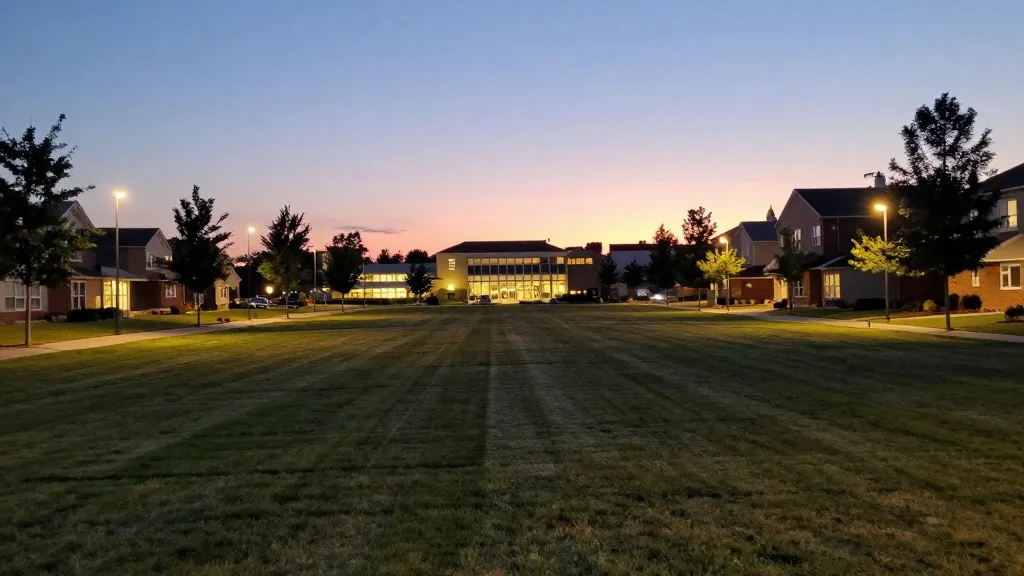
The rapid expansion of artificial intelligence infrastructure has often outpaced local planning in the Washington, D.C. region. This week, that tension reached a resolution in Loudoun County, where Amazon announced it will not build four new data centers on a former university campus.
The decision follows significant pushback from residents who feared the noise and energy demands of the facilities. Amazon will repurpose the majority of the 122-acre site for mixed-use and residential development. The company will also donate 25 acres to Loudoun County for a community arts center and a new recreational facility. Additionally, Amazon will provide $5 million to the county's housing fund.
This shift marks a notable change for a region known as Data Center Alley. Loudoun County currently holds the largest concentration of data centers in the world. Residents had expressed deep concern about the strain these facilities place on local power grids and the resulting noise pollution. These fears prompted the county to rethink its approach to new buildouts in recent months.
Amazon originally submitted its proposal in July. By September, the company met with Phyllis J. Randall, the chair of the Loudoun County Board of Supervisors. During that meeting, county officials suggested that an alternative use for the land might be more beneficial for the community than the planned data center complex.
Josh Weissman, Amazon's vice president of data center development, explained that the company initially wanted to purchase the former George Washington University campus. However, the firm took the county's specific concerns about the site into careful consideration. Weissman noted that while Amazon viewed the legal development potential differently than the county did, they agreed that a shared vision was better than costly litigation.
The broader context for this decision involves the massive surge in AI usage. This boom has driven demand for larger and more powerful facilities. Local communities are increasingly wary of the impact, particularly regarding electricity price spikes. In response to these concerns, President Donald Trump recently called for data center builders to pay local communities a dividend to offset energy costs. He also proposed that these facilities generate their own electricity and sell any excess back to the grid.
Other environmental issues, such as water shortages and deforestation, have also become focal points in the debate over data center placement. While the need for cloud storage and AI processing continues to grow, the friction between tech giants and local residents is intensifying. Officials in Loudoun County are framing this outcome as a success of collaboration over confrontation.
County officials highlighted the tangible benefits for residents. Randall stated that choosing dialogue over disagreement created a unique opportunity for the county. She emphasized that the agreement will provide new spaces for residents to gather and play. Most importantly, she noted that the deal will result in more attainable homes for working families in the area.
The project will include the development of residential units and commercial spaces on the bulk of the land. The 25-acre donation ensures that the county retains a significant portion of the property for public use. The $5 million contribution to the housing fund is expected to help address local affordability challenges. This comprehensive plan replaces the previous vision of four separate data center buildings.
The repurposing of the site represents a compromise that addresses both commercial interests and community needs. By moving away from the data center plan, Amazon avoids potential legal battles and local opposition. For Loudoun County, the deal secures new residential stock and public amenities. The outcome underscores the growing importance of community engagement in the rollout of critical AI infrastructure.
Source: Tom's Hardware