Tesla’s 1.74M FSD Count Hinges on Upfront Buyers
A Q3 shareholder letter reveals that Tesla’s software milestone metric includes owners who paid up to $15,000 years ago, a definition aligned with CEO compensation targets rather than monthly revenue.
By Camila Rodriguez ·
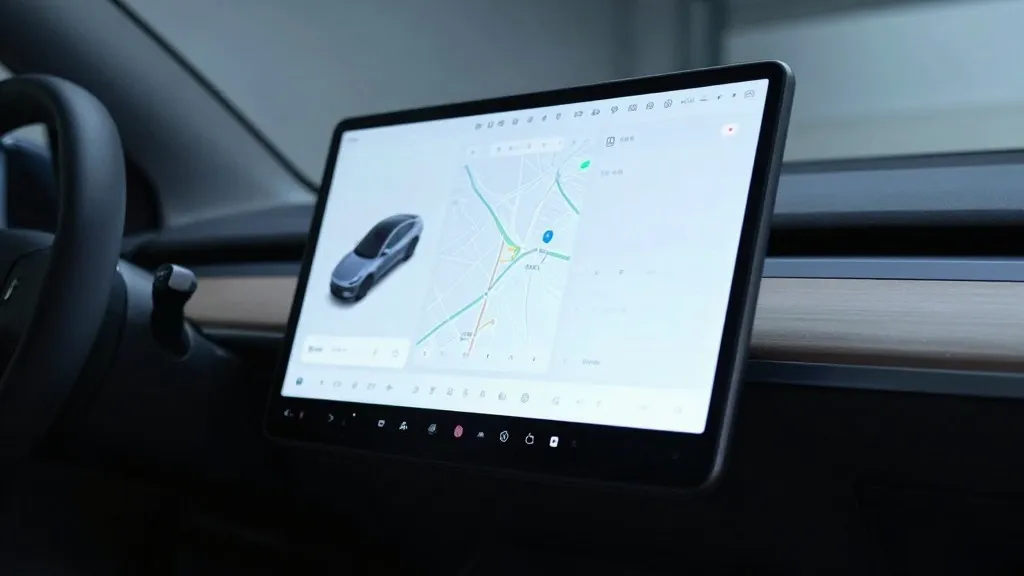
Tesla’s Q3 2026 shareholder letter reveals that the company now counts 1.74 million active Full Self-Driving subscriptions, a figure that rises to prominence because it is the specific metric tied to Elon Musk’s 2025 compensation package. The number represents a 67% increase over the prior year, yet it is calculated using a methodology that includes vehicles purchased with the software years ago, rather than only those paying current monthly fees.
The company’s primary claim is that FSD is gaining significant traction, with a reported attach rate of over 75% for new North American deliveries in the third quarter. Tesla asserts that this software is driving demand in available markets. However, the definition of an active subscription is broad. It encompasses both monthly payments and upfront purchases made before the company ceased selling the software as a one-time package on February 14, 2026. Consequently, owners who paid prices reaching $15,000 for the feature remain in the total count as long as their vehicles are active, provided they are not on a free trial.
This accounting method creates a significant ambiguity for investors. While Tesla stopped accepting one-time payments for new customers in early 2026, the hundreds of thousands of existing upfront buyers continue to inflate the subscription total. The company has not disclosed how many of the 1.74 million users are actually paying the current $99 monthly fee in the United States. This lack of granularity persists even after Tesla reported 1.28 million under the same definition in April, leaving a gap between the headline number and the recurring revenue it likely represents.
The stakes are high because reaching 10 million active FSD subscriptions is one of the operational milestones required for Musk to earn tranches of his 2025 award. The same alignment with the pay package appears in other metrics; Tesla’s cumulative deliveries figure, now 10.2 million, includes unsupervised Robotaxis placed in commercial operation to match a 20 million vehicle target. As of June 30, Tesla deemed only the delivery milestone probable for achievement, with the FSD target remaining distant.
Current growth rates suggest the 10 million mark is a long-term goal. Tesla added 260,000 net subscriptions in Q3, its highest quarterly gain to date. At this pace, reaching 10 million would take approximately eight years. Using the average growth from the last 12 months, the timeline extends to nearly 12 years. The compensation award remains in effect until 2035, providing a long window for these targets to be met, though the definition of success remains fixed to the board-approved criteria rather than standard industry metrics.
The 75% attach rate is presented as evidence of momentum, but Tesla does not specify if this includes introductory offers or how many of those buyers retain the service after the initial period. Unlike the active subscription metric, which excludes free trials, the attach rate lacks a similar explicit exclusion in the letter. This leaves questions about retention and whether the high initial uptake translates into sustained monthly revenue.
For New England drivers and investors, the distinction matters. While counting upfront buyers is not inherently incorrect, labeling them as 'subscribers' in a context where CEO pay depends on the number blurs the line between software ownership and recurring service. The board’s definition allows Tesla to report strong growth, but without a breakdown of monthly payers, the true commercial health of the FSD product remains opaque.
Source: Electrek