20,000 Microducks Preordered After Nvidia CEO's Viral Demo
A cute robot duck became the holiday favorite after a live demonstration at a tech conference sparked a surge in orders.
By Thabo Mokoena ·
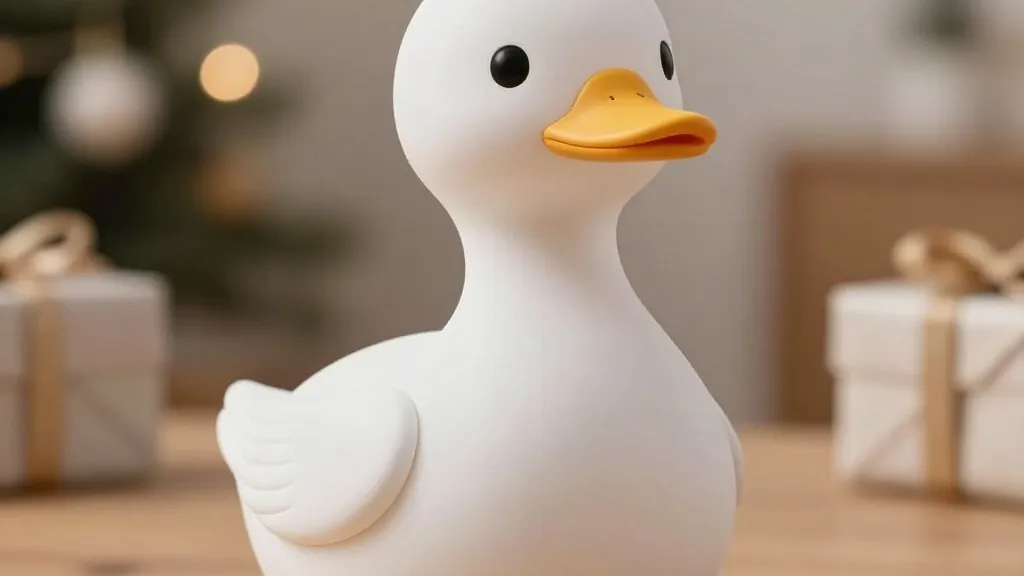
Jensen Huang, the head of Nvidia, spent part of his keynote at the GTC Berlin conference this week doing something unexpected. He played with a group of small, waddling robot ducks. The video of the moment quickly spread across social media, capturing the attention of tech fans and casual viewers alike. The robots, known as Microducks, performed a series of charming antics on stage, including sitting, falling down for a fake nap, and performing somersaults on voice commands.
The reaction to the demonstration was immediate and strong. According to Clem Delangue of Hugging Face, preorders for the Microducks jumped to more than 20,000 units by the day after the conference. This rapid uptake suggests that the device has captured the public imagination in a way few tech gadgets manage. Delangue noted that the robots are expected to arrive in time for the holiday season, positioning them as a potential top seller for the year.
The appeal of the Microducks seems to extend beyond the traditional toy market. While the devices are certainly attractive to children, promotional materials show adults enjoying them as well. Delangue suggested that the Microducks could become the best-selling robot of the year, regardless of the buyer's age. This broad appeal is a significant factor in their current popularity. The robots make small, R2-D2-like noises, adding to their endearing character. Their ability to move and react to commands gives them a lifelike quality that resonates with many users.
The Microducks are the product of Pollen Robotics, a company that was acquired by Hugging Face in 2025. Since Hugging Face was purchased by Nvidia in September, the Microducks are now effectively an Nvidia product. This is the second robot to come from the Hugging Face portfolio, following the Reachy Mini, which also garnered attention for its design and functionality. The acquisition has allowed the technology to reach a wider audience through Nvidia's extensive distribution and marketing channels.
The robots rely on Nvidia's technology stack for their core behaviors. During the development process, simulations of the ducks were taught basic tricks such as walking, sitting, and standing. These pre-programmed actions are what the robots ship with, allowing them to function out of the box. However, the system is designed to be open source, which means it is not static. Owners have the ability to train their specific robots to perform new tricks. Once these new skills are learned, users can share them with the broader community, creating a growing library of capabilities for the device.
The timing of this viral moment is notable. It arrived just as the AI industry faced a difficult week, with several high-profile cyberattacks being linked to artificial intelligence involvement. The sector was under scrutiny, and the mood was somewhat tense. In that context, the Microducks offered a refreshing change of pace. The video served as a reminder that AI technology can be playful and engaging, not just complex or concerning. It provided a visual break from the news cycle, showing the human and fun side of the technology.
For New England readers, the prospect of a holiday season filled with these interactive robots is an interesting development. The combination of cuteness, open-source flexibility, and major corporate backing makes the Microducks a unique entry in the toy market. With deliveries expected before Christmas, the competition for these devices will likely be fierce. Whether they remain a niche curiosity or become a mainstream holiday staple, the initial 20,000 preorders suggest that they have already made a significant impact on the consumer tech landscape.
Source: TechCrunch