Tesla Confines Unsupervised FSD to Robotaxi Zones for 2027 Launch
The promised autonomous driving feature will only operate within specific managed areas rather than on open roads for personal use.
By Tyler Perry ·
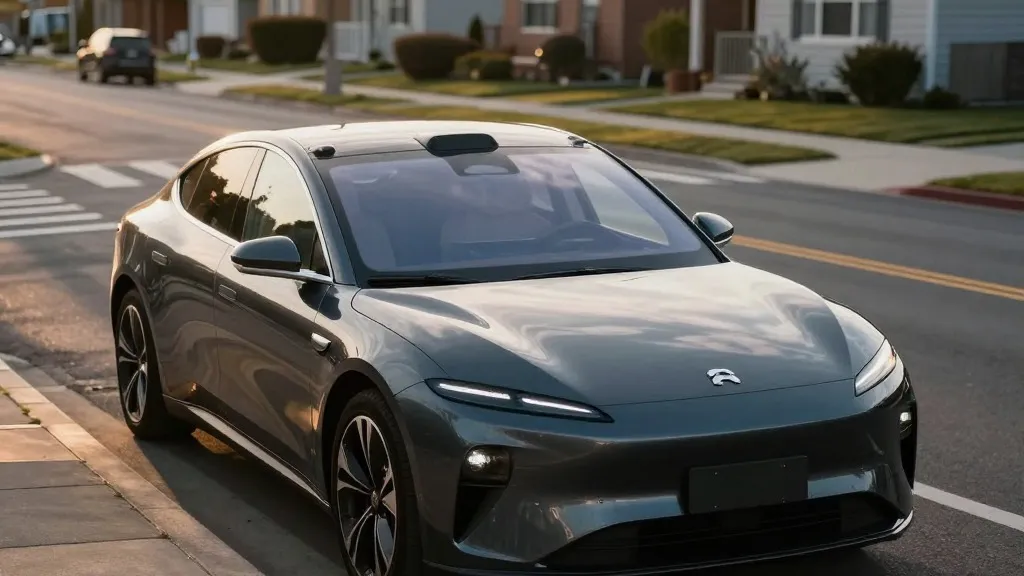
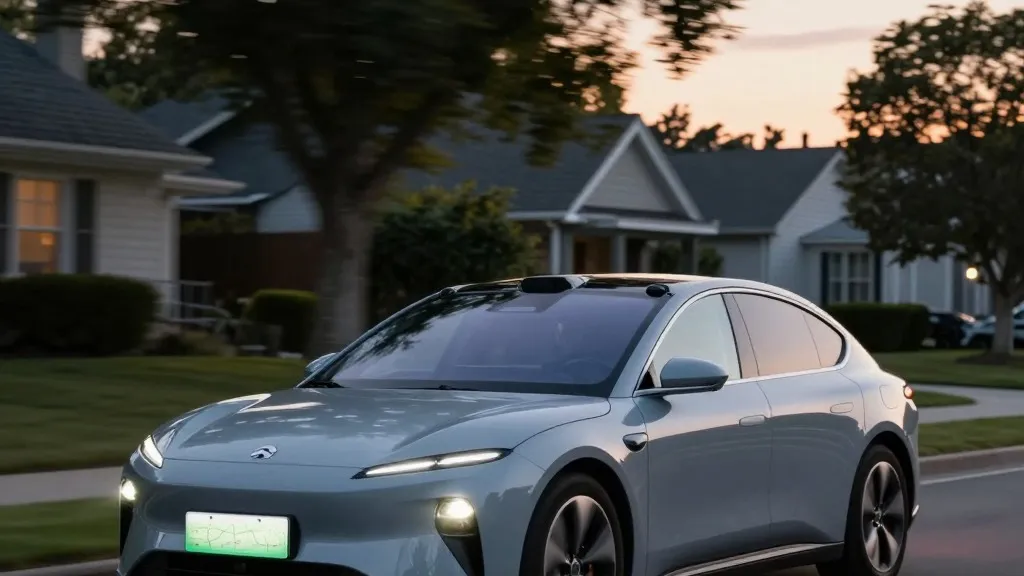
Tesla has officially set a timeline for unsupervised Full Self-Driving in customer-owned vehicles, targeting the second quarter of 2027. However, the company clarified that this capability will not function as a general-purpose autonomous driver. Instead, owners will be able to add their personal cars to Tesla’s managed Robotaxi fleet. This means the vehicles will only drive themselves within the specific geographic zones where Tesla already operates its commercial robotaxi service.
During the Q3 2026 earnings call, AI chief Ashok Elluswamy addressed a question from retail shareholders representing roughly 1.1 million shares. The inquiry asked when customers could expect unsupervised FSD in their own cars. Elluswamy identified Q2 2027 as the target date but specified that the first step is integrating owner vehicles into the existing Robotaxi network. This approach differs from the original software update pitch that allowed drivers to sleep in the back seat while the car navigated any route.
The operational limits of this new feature are significant. Tesla’s Robotaxi service currently functions in six US metropolitan areas, with service areas covering only small slices of those cities. For example, the Miami zone covers mostly West Miami and a strip toward Doral and Sweetwater. Orlando and Tampa launched in July with similarly restricted geofences. Within these boundaries, the cars stick to low-speed routes, largely avoid highways, and steer clear of complex urban environments. In the Bay Area, the service is not yet unsupervised because California rules require a safety driver in every car while Tesla navigates data release requirements with the DMV.
The scale of the current fleet remains modest. Tesla reported that its Robotaxi fleet reached nearly 2 million cumulative unsupervised miles by the end of the third quarter. This figure includes the Cybercab, which joined the Austin fleet just one month prior. Third-party tracking from this spring indicated that the number of fully driverless Teslas on the road was in the dozens, a fraction of the hundreds of thousands Elon Musk had previously discussed. Competitor Waymo was already operating in both Orlando and Tampa before Tesla entered those markets and has logged over 3 million miles.
This development marks a shift from the long-standing promise made to FSD buyers since 2016. Musk told investors in July 2025 that unsupervised FSD would be available for personal use in certain geographies by the end of that year. A year earlier, he expressed surprise if Tesla did not have unsupervised self-driving by the following year. Owners of cars with HW3 hardware have already been informed that their current computers cannot run unsupervised FSD, with no clear upgrade plan provided.
Elluswamy reiterated that safety remains the primary bottleneck for expansion. He explained that Tesla limits its operations to low-speed roads and avoids harder environments until it is confident in the system. He guessed that these safety issues will be resolved by next year, though he acknowledged that the company is still determining the exact timeline. The new Q2 2027 target reflects a narrower product definition: your car joins Tesla’s fleet, operates in Tesla’s zones, and follows Tesla’s terms.
Shareholders and analysts are watching closely to see if this timeline holds. The move from a general autonomous driving promise to a restricted fleet operation represents a significant change in the product definition. For now, Tesla will continue to refine its safety data and expand its Robotaxi zones before enabling the feature for personal vehicles.
The next steps involve Tesla continuing its work with the California DMV to obtain permits for driverless deployment. Success in this regulatory process will be a key indicator of whether the Q2 2027 launch is realistic. Until then, unsupervised driving will remain a feature of the commercial Robotaxi service, with personal car integration as the next phase of development.
Source: Electrek · original report published