Tesla’s Profit Squeeze Deepens Despite Margin Recovery
The automaker reported flat revenue and lower operating income, driven by heavy spending on AI and robotaxi development.
By Yasmin Farouk ·
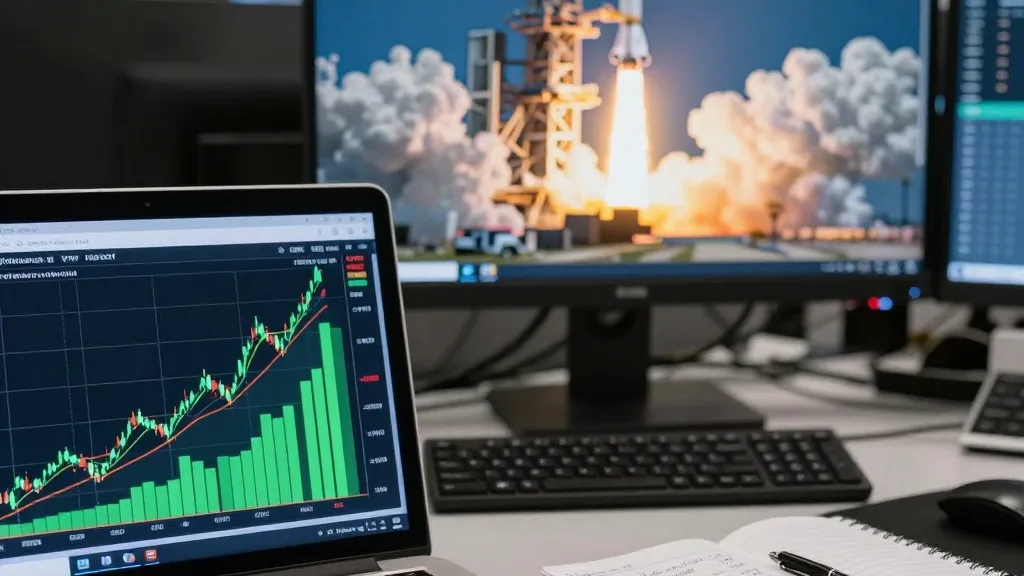
Tesla’s third-quarter financial report, released after the market closed today, shows a company balancing a return to profitability with aggressive new spending. While gross margins improved significantly from the weak second quarter, operating income still dropped sharply. The results confirm that Tesla is trading short-term earnings for long-term bets on artificial intelligence and autonomous vehicles.
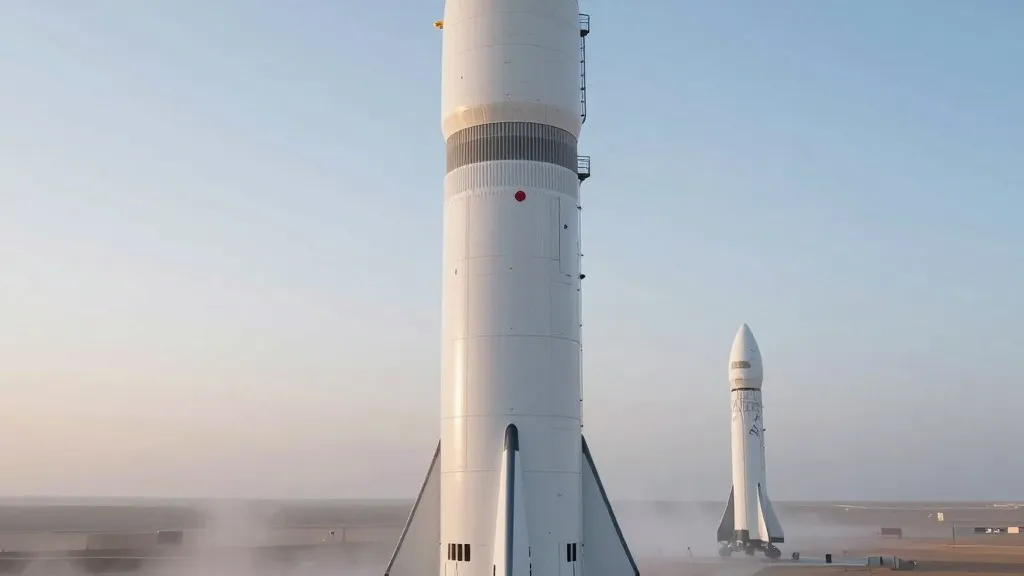
Revenue held steady at $28.05 billion, matching Wall Street expectations. Non-GAAP earnings per share came in at $0.48, beating the consensus estimate of $0.45. However, this figure remains down 4% from the same period last year. On a GAAP basis, net income fell 43% to $787 million. The bottom line was aided by a $288 million unrealized gain on bitcoin holdings, though this was partially offset by a $142 million loss on its SpaceX investment.
The improvement in margins was the standout positive. Auto gross margin excluding credits rose to 18.1%, up from 16.3% in the previous quarter. Tesla attributes this to a better product mix and increased subscriptions for its Full Self-Driving software. Regulatory credits contributed only $113 million, a 73% decline year-over-year as the market for these incentives dries up. Services and other segments became a bright spot, with revenue growing 33% to $4.61 billion and hitting a record gross profit.
Spending is the main driver of the profit decline. Operating expenses jumped 39% to $4.78 billion. Research and development costs surged 69% to $2.76 billion as Tesla invests in its 'Super Intelligence' project, the Optimus robot, and the Cybercab. Capital spending also doubled year-over-year to $4.73 billion. This heavy investment pace has raised questions about the company’s annual guidance, as Tesla has spent only half of its planned $25 billion budget through the first nine months.
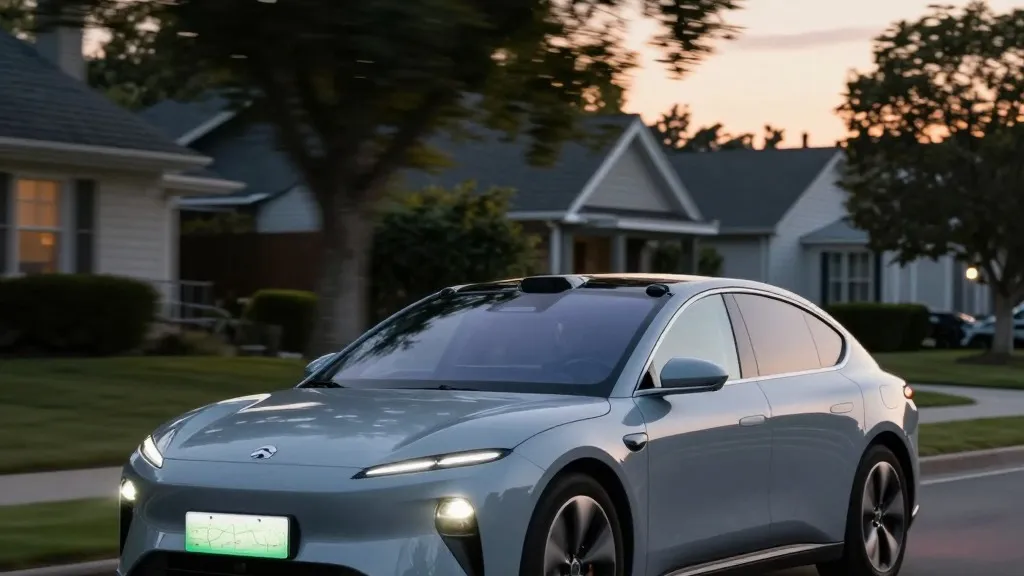
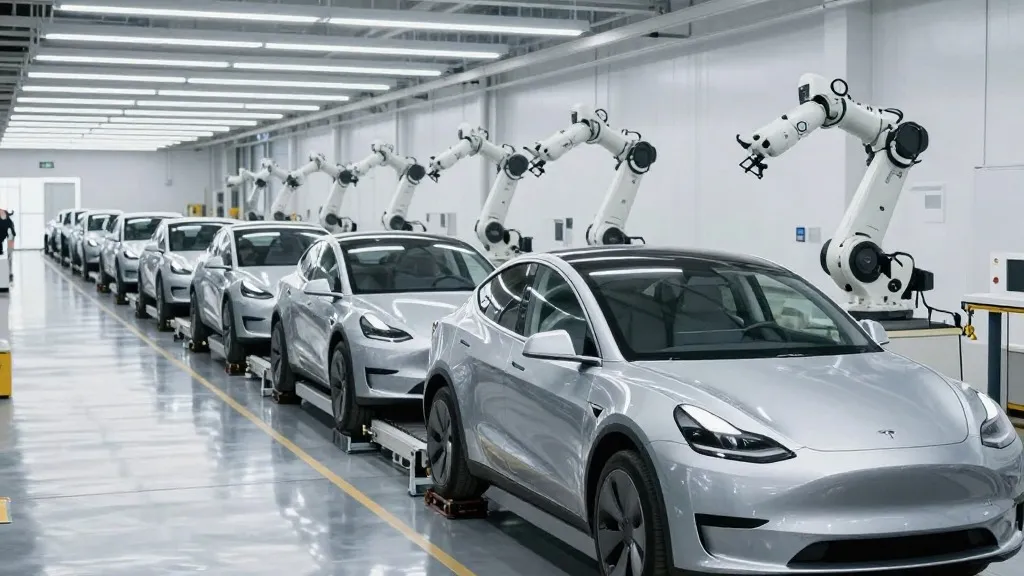
Tesla continues to cite battery availability as the primary constraint on vehicle volumes. Deliveries were down 2.1% year-over-year, yet the company claims it ended the quarter with the largest passenger vehicle backlog in four years. Average selling prices continued to fall, a trend that complicates the supply-constrained narrative. Meanwhile, the energy segment faced headwinds, with revenue dropping 16% due to tariff-related customer refunds, despite a 10% increase in storage deployments.
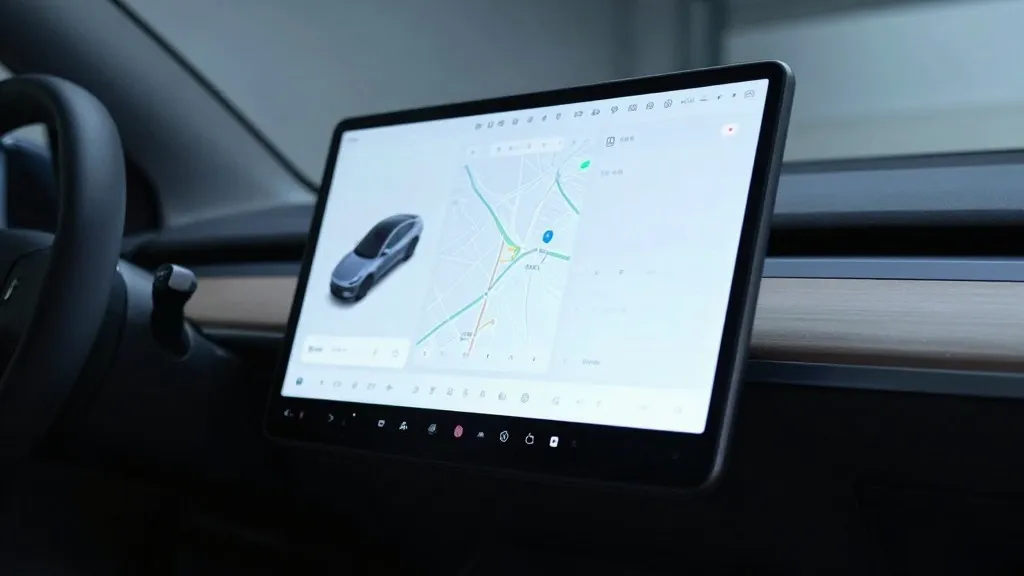
Looking ahead, management will discuss the results on an earnings call scheduled for 5:30 p.m. ET. The company has pushed the rollout of unsupervised FSD to the second quarter of 2027, limited to Robotaxi zones. For now, investors must weigh the steady revenue against the widening gap between gross profit and operating income as Tesla scales its technology ambitions.
The full shareholder deck is available on Tesla’s investor relations site. The data suggests a company in transition, where traditional auto metrics are being overshadowed by the costs of building a new technological infrastructure. Whether this spending yields returns remains the central question for shareholders heading into the fourth quarter.
Source: Electrek