Tesla Delays Humanoid Robot Sales to Late 2027 Amid Hardware Hurdles
CEO Elon Musk pushed back external Optimus deliveries, citing unresolved issues with robotic hands, durability, and AI capabilities.
By Ji-eun Choi ·
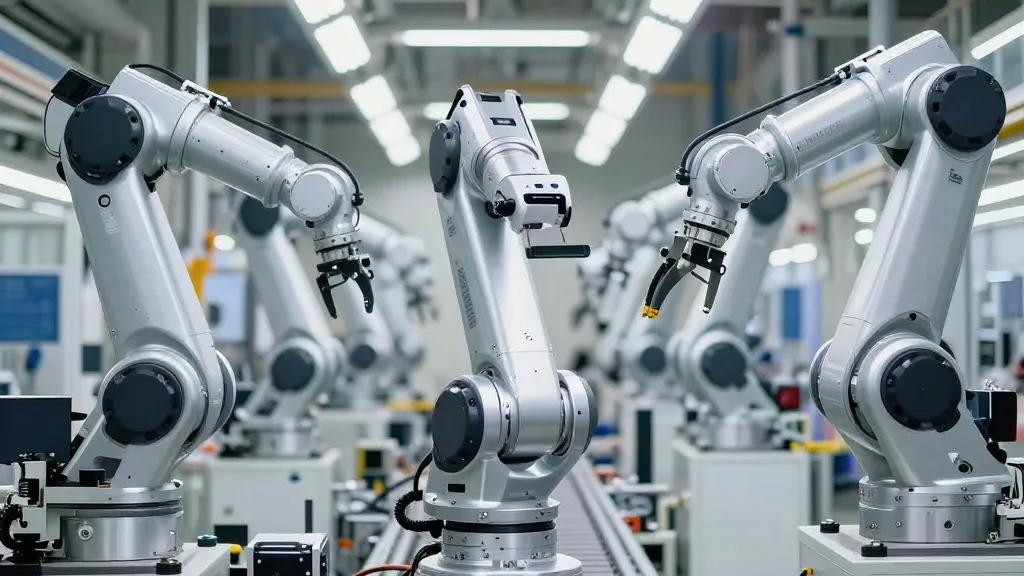
Tesla has pushed back the timeline for selling its Optimus humanoid robots to outside customers, with CEO Elon Musk now targeting late 2027 for initial external deliveries. During the company's third quarter 2026 earnings call, Musk acknowledged that significant work remains to be done on the robot's hands, overall durability, and artificial intelligence systems before the units can be released to the broader market.
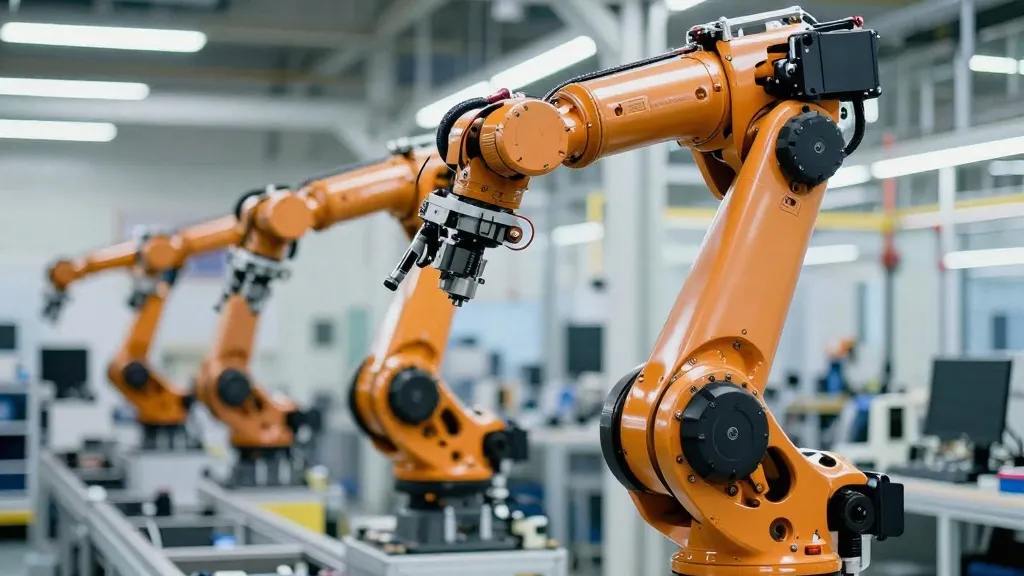
The company has already begun early production of the Optimus on its high volume line in Fremont, California, the same facility previously used for Model S and Model X vehicles. While the majority of the assembly line designed to produce one million units per year is installed, Musk noted that reaching a rate of approximately 20,000 units per week will take at least another year. This delay is due to ongoing changes in the design, particularly in the electromechanical components and reliability factors that must ensure the robots do not wear out after just a month of use.
A major bottleneck identified by the engineering team is the design of the robot's hands. An Optimus engineer noted that the fingers must be soft enough to handle delicate objects while also withstanding constant industrial wear, a challenge complicated by the fact that robots cannot heal like human skin. Custom gears also presented reliability concerns. On the software side, Tesla is addressing gaps in its AI architecture by planning to build 10,000 to 20,000 robots for an internal training program known as the Optimus Academy. This fleet will practice tasks to generate data, a process that complements the planned integration of the AI5 chip into the robots around April 2027.
Musk maintained that no other company is close to matching Tesla's progress in general purpose humanoid robotics, yet competitors are making notable strides. XPeng, a Chinese automaker, activated an automated production line for its IRON robot in Guangzhou in September. That line is over 80 percent automated and uses in house chips to run physical AI models. XPeng aims for mass production by the end of 2026 and deliveries to stores and malls in the first half of 2027.
Meanwhile, Boston Dynamics has begun producing its electric Atlas robot and has already committed all of its 2026 deployments to customers, including Google DeepMind. The company recently opened a training center at Hyundai's Metaplant in Georgia, where Atlas is learning to sequence car parts for assembly. Hyundai intends to deploy 25,000 robots across its plants in the coming years. Boston Dynamics also hired Milan Kovac, Tesla's former head of the Optimus program, in January, signaling a shift in industry talent.
The delay follows a history of shifting timelines for the project. In 2024, Musk suggested internal use in 2025 and high volume external sales in 2026. By January 2025, he projected building 10,000 robots that year, though he later admitted that none were performing useful work. The company's recent shareholder letter describes the current bots coming off the Fremont line as the first production quality units, implying that previous versions did not meet that standard.
Musk promised to release a video within the next month or two showing the robot performing unscripted tasks, arguing that many current demos rely on pre programmed routines that would fail in real world conditions. Investors and analysts will be watching closely to see if this new timeline holds, especially given that competitors like XPeng and Boston Dynamics have established more concrete production and deployment schedules. The market will judge whether Tesla can overcome the same generalization and hardware challenges that have stalled other players in the humanoid robot race.
For now, the focus remains on solving the hand and AI issues that have plagued the project. While Tesla may have the highest volume of units in production, the critical path to profitability lies in making the robots useful and reliable enough for industrial applications. The coming months will determine if the late 2027 target is a realistic milestone or another example of the company's pattern of delayed releases.
Source: Electrek