Cybercab Sales: Tesla Sets Delivery Date
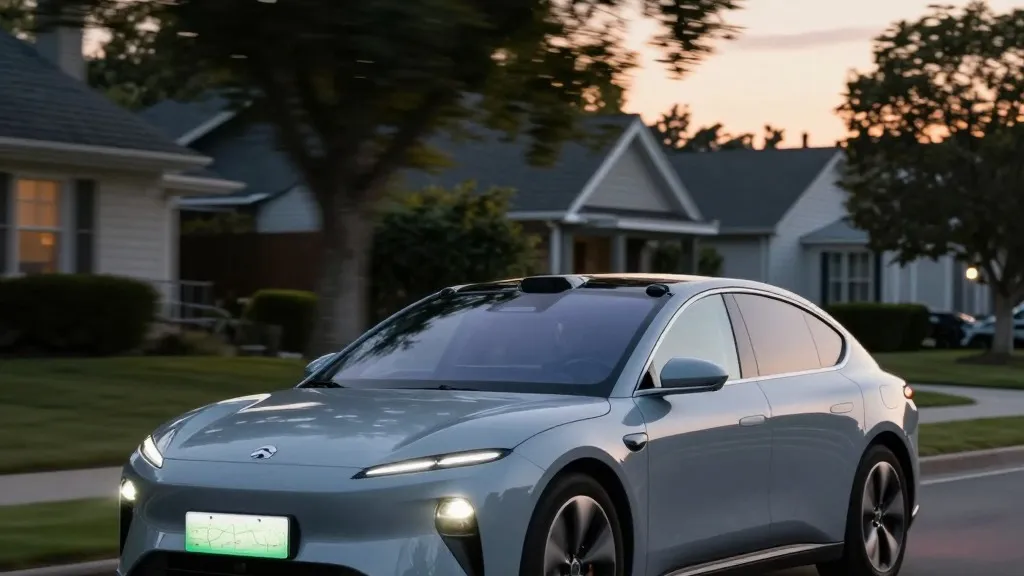
Tesla has officially announced that its two-seater robotaxi will begin reaching private customers before the end of the year.
By Jennifer Paige ·
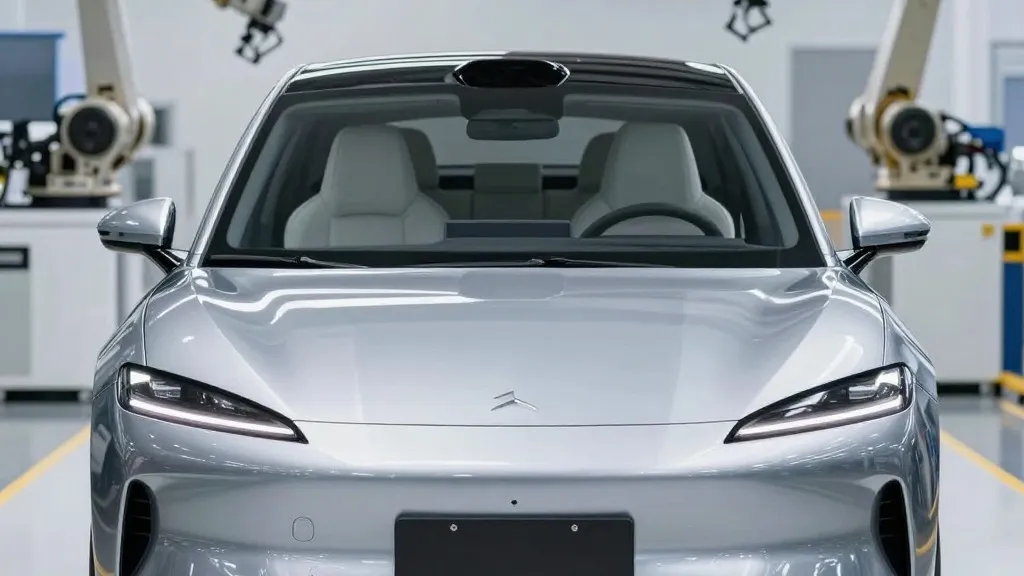
The era of waiting for Tesla's most experimental vehicle is coming to a close. During the company's third-quarter 2026 earnings call held on October 21, executives provided a definitive timeline for the Cybercab, moving the conversation from speculation to concrete planning.
Vice President of Engineering Lars Moravy stated that the company is aiming to have these units in the hands of customers by the end of 2026. This announcement resolves long-standing uncertainty about whether the fully autonomous vehicle would become available in the near term. Moravy noted that production is already active on the line at Gigafactory Texas, but he clarified that every unit currently rolling off the line is being assigned to Tesla's internal Robotaxi fleet rather than private buyers.
The path to this milestone has been gradual. Production of the Cybercab began in February of this year. By early September, the company had launched public rides in its Robotaxi service, allowing early units to operate in the field. Now, with the system proving its reliability in a controlled fleet environment, Tesla is preparing to hand over ownership to the public.
The model for these initial sales is distinct from Tesla's previous releases. CEO Elon Musk described the Cybercab primarily as a "transport-as-a-service" offering. He emphasized that the vast majority of these vehicles will remain owned by Tesla, functioning more like a shared ride-hailing service than a personal possession like the Model 3 or the upcoming Roadster. This approach allows the company to manage the fleet while customers utilize the vehicle for transportation.
Moravy explained that initial deliveries will be small in volume. This measured rollout is designed to help the company gain experience in several critical areas, including delivery logistics, ownership models, and fleet management. Operating autonomous vehicles outside of Tesla's direct control introduces new complexities that require careful handling as the service scales.
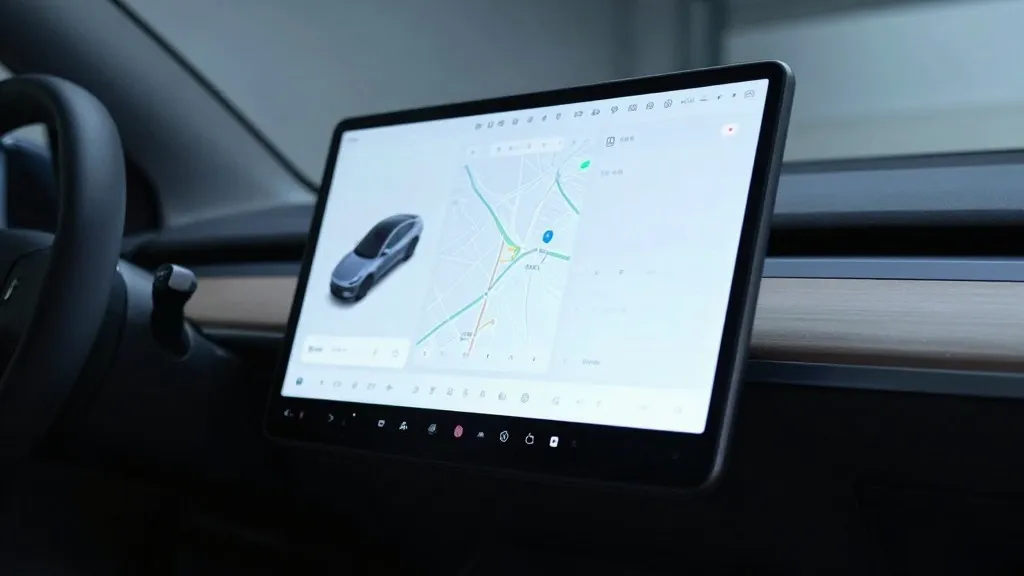
The Cybercab is a two-seater vehicle designed without a steering wheel or pedals, relying entirely on Tesla’s Full Self-Driving software. The company has previously indicated that the target price for these units is approximately $30,000. While the hardware is ready, the software environment is still evolving. Ashok Elluswamy, Tesla’s Head of AI, indicated that unsupervised Full Self-Driving is expected to ship to consumer cars during the second quarter of 2027.
Regulatory hurdles remain a factor in the rollout. Early buyers or fleet operators may find that the autonomous operation of their vehicles is geographically restricted, as regulatory agencies often lag behind technological deployment. This suggests that while the car may be in the customer's driveway, its full potential may be limited by local rules until broader approvals are granted.
Source: Teslarati